Patient Payment Portal


What Are the Symptoms of Obstructive Sleep Apnea?
Burke, VA

What Are the Symptoms of Obstructive Sleep Apnea?
If you’ve been waking up feeling tired, even after a full night’s sleep, you might be dealing with more than just a restless night. Obstructive Sleep Apnea (OSA) is a general sleep disorder that often goes undiagnosed, yet it can have serious health consequences if left untreated. Understanding the symptoms and seeking treatment is crucial, especially for residents of Burke, VA, and surrounding areas, where local expertise is readily available.
What is Obstructive Sleep Apnea?
Obstructive Sleep Apnea (OSA) is a disorder when the airway becomes obstructed while you’re asleep, causing repeated interruptions in breathing. These interruptions, known as apneas, can last from a few seconds to over a minute and can occur dozens of times per hour. As a result, your body experiences low oxygen levels, leading to poor sleep quality and several health issues. According to the American Academy of Sleep Medicine, OSA affects approximately 30 million adults in the U.S., yet only 6 million have been diagnosed.
Common Symptoms of Obstructive Sleep Apnea
Recognizing the symptoms of OSA is the first step toward treatment. Here’s what you should look out for:
1. Loud Snoring
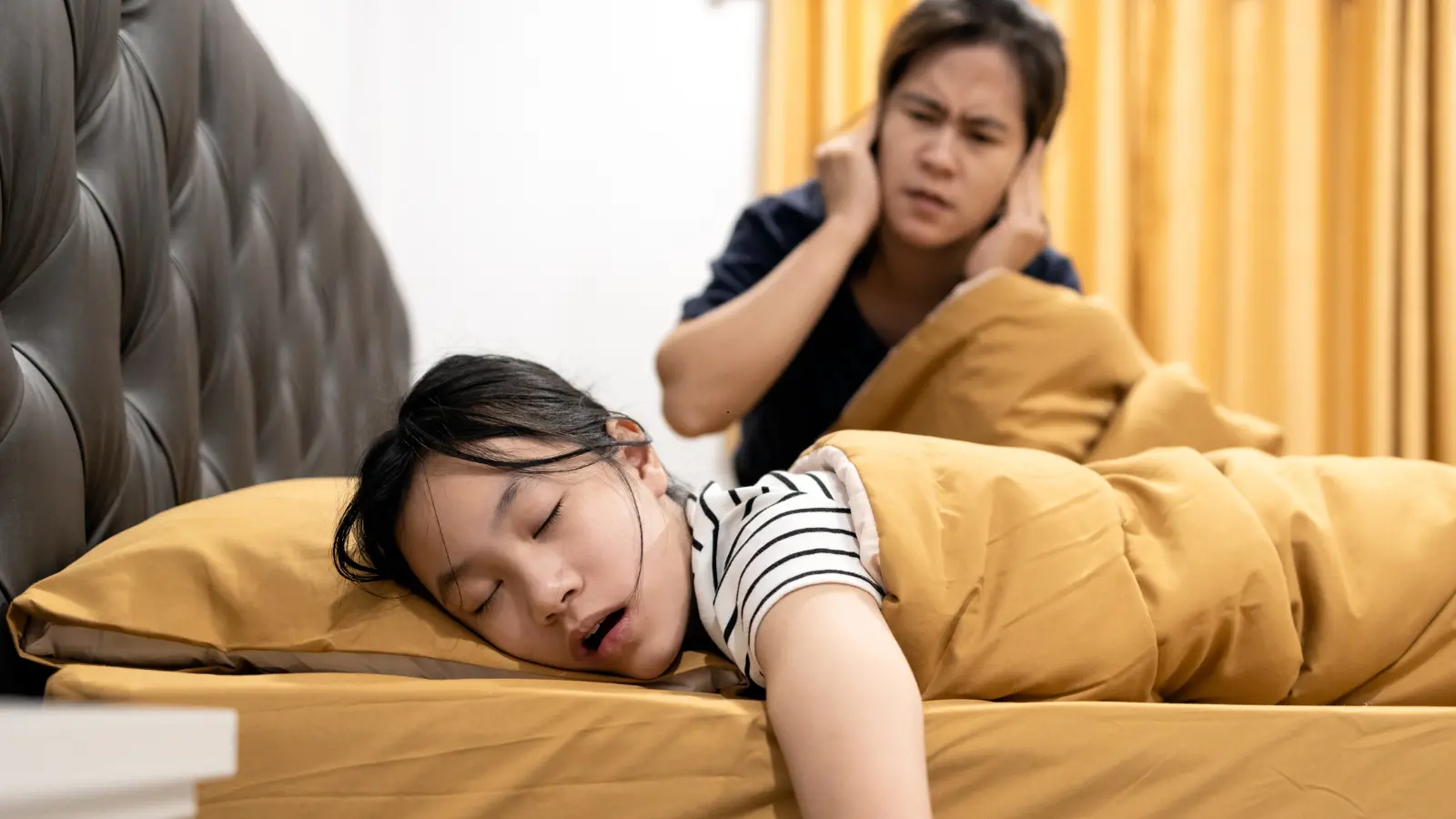
Loud, persistent snoring is a hallmark symptom of OSA. Although not all snorers have sleep apnea, it’s often one of the most noticeable signs. This snoring occurs because the throat’s tissues vibrate when the airway gets partially concealed.
- Fact: Approximately 45% of adults snore occasionally, but those with OSA tend to have louder, more frequent snoring. Snoring linked with choking or gasping sounds is particularly concerning.
2. Choking or Gasping During Sleep
Waking up abruptly, often with a sensation of choking or gasping for air, is a strong indicator of OSA. These episodes occur because your airway becomes completely blocked, prompting your body to jolt awake and resume breathing.
- Tip: If you or a partner notices these episodes frequently, it’s important to consult a healthcare professional. Such symptoms are a clear sign that your airway is closing during sleep.
3. Excessive Daytime Sleepiness
Having extreme daytime sleepiness, even after getting a full night’s rest, is another key symptom. This sleepiness occurs because your body isn’t getting the deep, restorative sleep it needs due to the frequent interruptions caused by OSA.
- Fact: The National Sleep Foundation reports that people with OSA are five times more likely to have a car accident due to daytime drowsiness.
4. Morning Headaches
Frequent morning headaches are a less obvious but common symptom of OSA. They are typically caused by fluctuations in oxygen and carbon dioxide levels during sleep, as breathing repeatedly stops and starts.
- Fact: Studies show that around 50% of people with OSA experience morning headaches, often due to disrupted sleep patterns.
5. Difficulty Concentrating
Poor sleep quality associated with OSA can result in cognitive issues like difficulty concentrating, memory problems, and irritability. The lack of restful sleep can affect mental clarity and emotional well-being.
- Tip: If you’re noticing a decline in your cognitive function, it might be linked to sleep issues. Consulting with a specialist could help address these concerns.
6. High Blood Pressure
OSA is closely linked to high blood pressure, as the repeated drops in blood oxygen levels during apneas increase the stress on the cardiovascular system. Stress hormones are released as a result of this stress, elevating blood pressure.
- Research Data: People with untreated OSA have a 50% higher risk of developing hypertension compared to those without the condition.
The Importance of Early Diagnosis
A timely diagnosis and course of therapy for OSA can greatly enhance your quality of life and prevent major health issues such as diabetes, heart disease, and stroke. If you recognize any of these symptoms, seeking a medical evaluation is essential.
Treatment Options: What to Expect
Once diagnosed with OSA, several treatment options can help manage the condition. One of the most common and effective treatments is Continuous Positive Airway Pressure (CPAP) therapy. It involves covering your nose with a mask and/or mouth during sleep. The CPAP machine delivers a constant stream of air, keeping your airway open.
Oral Appliance Therapy
For those who find CPAP therapy uncomfortable, oral appliance therapy might be a suitable alternative. These custom-fitted devices, provided by a dentist trained in sleep medicine, During sleep, adjust the jaw and tongue to assist maintain the airway open.
- Tip: In Burke, VA, there are dental clinics such as Alpine Dental specializing in sleep medicine that can offer personalized treatment options. To ensure you receive the best possible care customized to your requirements, speak with a local specialist.
Managing Obstructive Sleep Apnea: Tips for a Better Life
Living with OSA can be challenging, but there are several strategies you can adopt to improve your sleep quality and overall health:
1. Maintain a Healthy Weight
Weight loss can significantly reduce the severity of OSA. Excess weight, particularly around the neck, can obstruct the airway, making it harder to breathe during sleep.
- Fact: Research shows that losing just 10% of one’s body weight can reduce the severity of sleep apnea by 30%.
2. Sleep Position Matters
Sleeping on your back can worsen OSA symptoms because gravity causes the tongue and soft tissues to collapse backward, blocking the airway. Instead, try sleeping on your side.
- Tip: Use a body pillow or wedge pillow to help maintain a side-sleeping position. These tools can keep you from rolling onto your back during the night.
3. Avoid Alcohol and Sedatives
Alcohol and sedatives cause your throat muscles to relax, raising the risk of airway obstruction. Avoid these chemicals, especially after evening, to maintain a clean airway.
- Fact: Consuming alcohol within four hours of bedtime increases the risk of apneas by 25%.
4. Stay Consistent with CPAP Therapy
If you’ve been prescribed CPAP therapy, consistency is key. Skipping nights or using the machine improperly can reduce its effectiveness and worsen your symptoms.
- Tip: Regularly clean and maintain your CPAP machine to ensure optimal performance. A well-maintained machine can significantly improve your sleep quality.
Local Insight: Support for OSA Patients in Burke, VA
In Burke, VA, residents have access to a range of resources for managing OSA. Local support groups, such as those offered by the American Sleep Apnea Association, provide a platform for patients to share experiences and gain valuable advice. Additionally, dental clinics in the area specialize in sleep medicine, offering customized treatment options like oral appliances.
- Tip: Engaging with a local support group can provide emotional support and practical advice for managing OSA. It’s also a great way to connect with others who understand what you’re going through.
Conclusion
Obstructive Sleep Apnea is a serious condition that can impact every aspect of your life, from your sleep quality to your long-term health. By recognizing the symptoms and seeking treatment, you can take control of your health and improve your quality of life. If you’re experiencing any symptoms of OSA, don’t hesitate to consult a healthcare provider. And if you’re in Burke, VA, take advantage of the local expertise available to get the help you need.
Remember, managing OSA isn’t just about getting better sleep—it’s about protecting your overall health. Whether it’s understanding the risks associated with anesthesia during a root canal or knowing how to adjust your sleep habits, every step you take is a step toward a healthier future.


5-STAR REVIEWS
What Our Patients Are Saying

Really happy with the care I received at this practice! Dr. Ashraghi is very knowledgeable about her craft and precise in her clinical diagnosis and treatment. I didn't need any numbing for a recent procedure thanks to her incredible hand skills. Would 100% recommend this place to anyone looking for a passionate and skilled dentist!
Nicki H.
I over the years we’ve had different dentists, some good and some okay, but this one is the best . They provide an outstanding service, they work with your schedule, they are not crazy with any fees, and they make sure you don’t miss your appointment (they email you in advance, then they text you and give you a courtesy call the day before). We are super happy with this dental clinic and with the doctor, she is so nice .
Cobar F.
Dr. Ashraghi and staff are lovely! It’s nerve racking to go the dentist but it’s such a welcoming environment, tbe whole team put you at ease. Dr. Ashraghi prioritizes pain management. I had tough dental work done but not once did I experience pain in the process.
Jeanne P.
I had great experiences with dental hygiene, Suri, She is very professional and knowledgeable and caring. I enjoyed having her as my dental hygienist. Dr. Ashraghi is amazing dentist. the best dentist I ever had. I highly recommend their office for dental treatment.
Ala Z.
100% recommend. I needed extensive dental work done by a dentist I could trust and who cares. Dr. Ashraghi is the best! I was fortunate to find her. Very experienced. She put together a solid treatment plan that worked for me. She was incredibly patient in answering all of my questions. Now, I can truly smile. I feel decades younger and my friends and family agree!
mike d.