Patient Payment Portal


She’s Not Just Tired: Spotting Sleep Apnea In Women
Burke, VA
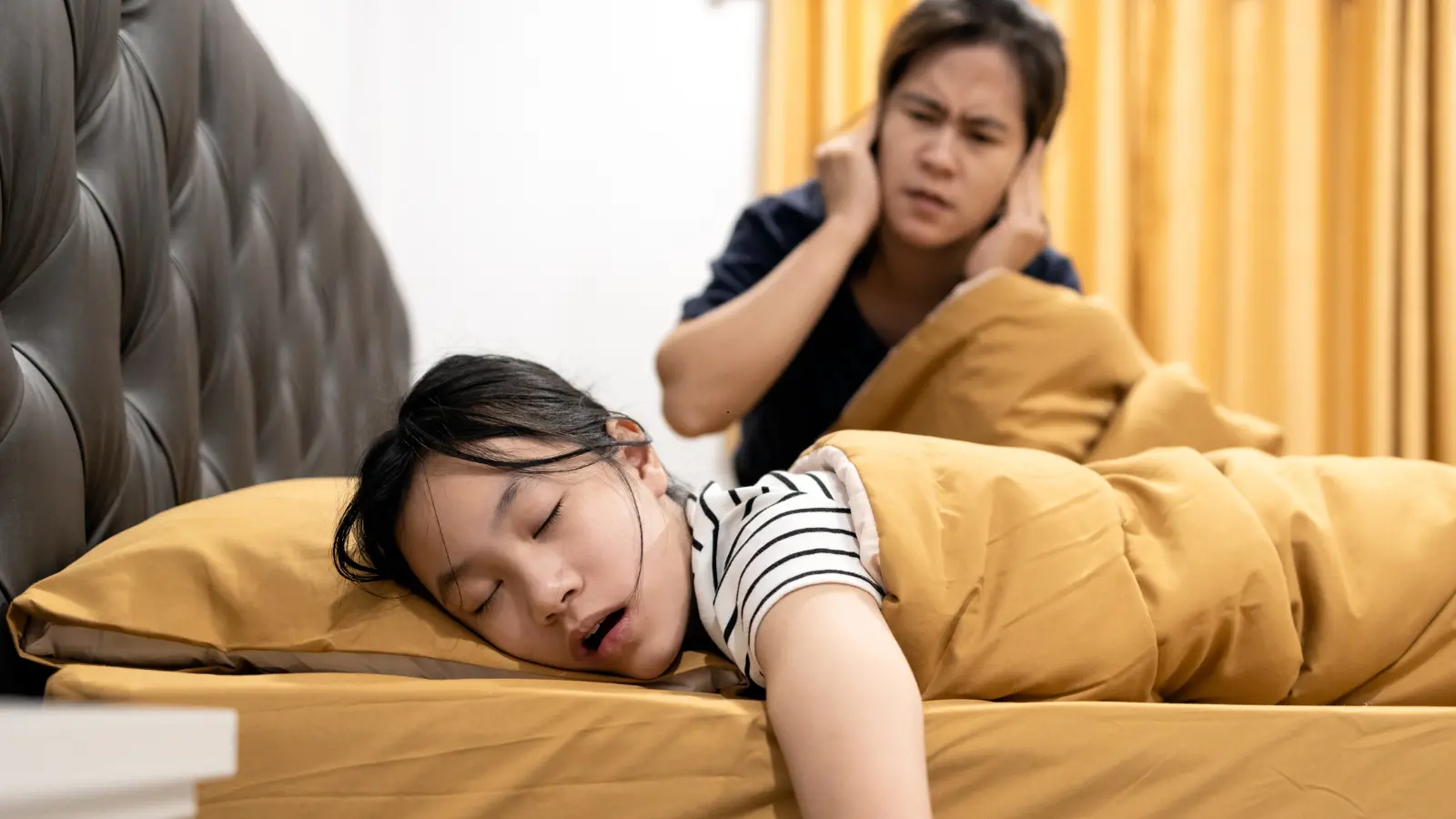
She’s Not Just Tired: Spotting Sleep Apnea In Women
Sleep apnea is a serious health condition that affects millions of people worldwide, but its symptoms and effects can vary significantly between men and women. While often overlooked, sleep apnea in women is a critical health issue that deserves more attention. Understanding the distinct symptoms and challenges faced by women with sleep apnea can lead to better diagnosis and treatment, improving overall health and quality of life.
About Sleep Apnea
The hallmark of sleep apnea is frequent breathing pauses during the night. These disruptions, sometimes known as apneas, happen when the neck muscles relax excessively, obstructing the airway. Sleep apnea comes in three primary forms:
- Obstructive Sleep Apnea (OSA): The most common form resulting from an actual obstruction of the airway.
- Central Sleep Apnea (CSA): occurs when the brain is unable to properly communicate with the respiratory muscles.
- Complex Sleep Apnea Syndrome: A combination of obstructive and central sleep apnea.
Key Risk Factors
- Weight: Being overweight poses a serious risk, especially for obstructive sleep apnea.
- Age: Sleep apnea is more common in older adults, but it can occur at any age.
- Family History: A family history of sleep apnea can increase the risk.
- Lifestyle: Smoking, alcohol use, and sedative medications can exacerbate symptoms.
Sleep Apnea in Women: A Unique Challenge
The presentation of sleep apnea in women often differs from that in men, leading to underdiagnosis and undertreatment. Women are more likely to experience subtle or atypical symptoms, which can make recognition difficult for both patients and healthcare providers.
Common Symptoms in Women
- Fatigue and Daytime Sleepiness: While daytime sleepiness is a common symptom for both men and women, women may report feeling more fatigued than sleepy. It leads to the mistaken belief that they are simply tired due to other factors, such as stress or hormonal changes.
- Insomnia: Women with sleep apnea are more likely to experience difficulty falling or staying asleep, which can exacerbate fatigue and other symptoms.
- Morning Headaches: Frequent morning headaches are a common symptom of sleep apnea due to reduced oxygen levels during sleep.
- Mood Changes: Anxiety, depression, and mood swings are often reported by women with sleep apnea, potentially resulting in an incorrect mental health diagnosis condition rather than a sleep disorder.
- Restless Sleep: Frequent nighttime awakenings, often accompanied by a choking or gasping sensation, can be a sign of obstructive sleep apnea.
Hormonal Influence
- Menstrual Cycle and Menopause: Hormonal changes during sleep habits might be impacted by menopause and the menstrual cycle and exacerbate sleep apnea symptoms. Women may notice a worsening of symptoms during certain times of their cycle or as they transition through menopause.
- Pregnancy: Because of their increased weight and changing hormones, pregnant women are more likely to develop sleep apnea. This may result in issues like gestational hypertension and preeclampsia.
Diagnosing Sleep Apnea in Women
Accurate diagnosis of sleep apnea in women requires awareness of the unique ways the disorder can manifest. Healthcare professionals must think about sleep apnea as a possible diagnosis when women present with any of the symptoms mentioned above.
Diagnostic Tools
- Sleep Study (Polysomnography): A comprehensive sleep study conducted in a sleep lab is the gold standard for diagnosing sleep apnea. It monitors breathing patterns, heart rate, oxygen levels, and other vital signs during sleep.
- Home Sleep Apnea Testing: A more convenient and accessible option for some patients, this at-home test measures key indicators of sleep apnea using portable equipment.
The Role of Healthcare Providers
- Awareness and Training: Healthcare providers should be trained to recognize the unique symptoms of sleep apnea in women and understand the importance of timely diagnosis and treatment.
- Patient Communication: Open and thorough communication with patients about their symptoms, lifestyle, and health history can help identify sleep apnea as a potential issue.
Treatment Options for Sleep Apnea in Women
When identified, sleep apnea is effectively treated with a variety of treatment options. The severity of the illness determines the therapy option and the patient’s preferences.
Lifestyle Modifications
- Weight Loss: Achieving and keeping a healthy weight might help lessen obstructive sleep apnea symptoms.
- Sleep Position: Sleeping on the side rather than the back can help keep the airway open and reduce apneas.
- Avoiding Alcohol and Sedatives: These drugs have the ability to calm the throat muscles and exacerbate sleep apnea.
Continuous Positive Airway Pressure (CPAP) Therapy
- Overview: CPAP is the most common treatment for moderate to severe sleep apnea. It delivers a steady airflow via a mask, maintaining an open airway while you sleep.
- Adherence Challenges: Women may experience difficulties adjusting to CPAP therapy due to discomfort or nasal congestion. Working closely with a healthcare provider to adjust the settings or try different mask styles can help improve adherence.
Alternative Treatments
- Oral Appliances: Dental devices that reposition the lower jaw can be effective for mild to moderate sleep apnea.
- Surgery: Patients may be given the choice of surgery who do not respond to other treatments. These procedures aim to remove or shrink excess tissue in the airway.
- Positional Therapy: This therapy encourages patients to sleep in positions that prevent the airway from collapsing.
Recognizing and addressing sleep apnea in women is essential to enhance their general health and welfare. Although the symptoms may differ from those typically seen in men, understanding these differences can lead to more accurate diagnosis and effective treatment.
If you think you or your loved ones may have sleep apnea, It’s crucial to speak with a healthcare professional for a comprehensive assessment. With proper management and treatment, women with sleep apnea can achieve restful sleep and a better quality of life.
Awareness of sleep apnea in women can lead to earlier diagnosis and intervention, improving outcomes and reducing the risk of associated health complications. By advocating for themselves and seeking medical advice, women can take control of their health and ensure they receive the care they need. Sleep apnea in women is not just about feeling tired; it’s a serious health issue that requires attention and action.


5-STAR REVIEWS
What Our Patients Are Saying

Really happy with the care I received at this practice! Dr. Ashraghi is very knowledgeable about her craft and precise in her clinical diagnosis and treatment. I didn't need any numbing for a recent procedure thanks to her incredible hand skills. Would 100% recommend this place to anyone looking for a passionate and skilled dentist!
Nicki H.
I over the years we’ve had different dentists, some good and some okay, but this one is the best . They provide an outstanding service, they work with your schedule, they are not crazy with any fees, and they make sure you don’t miss your appointment (they email you in advance, then they text you and give you a courtesy call the day before). We are super happy with this dental clinic and with the doctor, she is so nice .
Cobar F.
Dr. Ashraghi and staff are lovely! It’s nerve racking to go the dentist but it’s such a welcoming environment, tbe whole team put you at ease. Dr. Ashraghi prioritizes pain management. I had tough dental work done but not once did I experience pain in the process.
Jeanne P.
I had great experiences with dental hygiene, Suri, She is very professional and knowledgeable and caring. I enjoyed having her as my dental hygienist. Dr. Ashraghi is amazing dentist. the best dentist I ever had. I highly recommend their office for dental treatment.
Ala Z.
100% recommend. I needed extensive dental work done by a dentist I could trust and who cares. Dr. Ashraghi is the best! I was fortunate to find her. Very experienced. She put together a solid treatment plan that worked for me. She was incredibly patient in answering all of my questions. Now, I can truly smile. I feel decades younger and my friends and family agree!
mike d.